Music for Cafes

Avoid these 3 mistakes in your business space
This shows right away which kinds of music use often cause problems in restaurants, hotels, cafes, and other commercial spaces.
Simply letting Spotify or other streaming services run
For commercial room playback, that is usually not the right licensing basis.
Using PRO music without a clear cost plan
That can create extra fees or follow-up questions that are easy to overlook in day-to-day operations.
Using CDs, free downloads, or unclear music sources in the business
For commercial spaces, these often lack the right rights setup or a reliable proof of licensing.
Music packages as the simple first solution for your cafe
This is usually the first solution for business locations: you choose a fixed music selection, license it once, and then use it in your venue without ongoing monthly costs. This is especially useful for single locations or smaller setups with a clear musical direction.
One-time pricing per location from EUR 129 net
for smaller, predictable spaces
if the playlist should cover longer opening hours

Christmas Market XL Playlist 2026
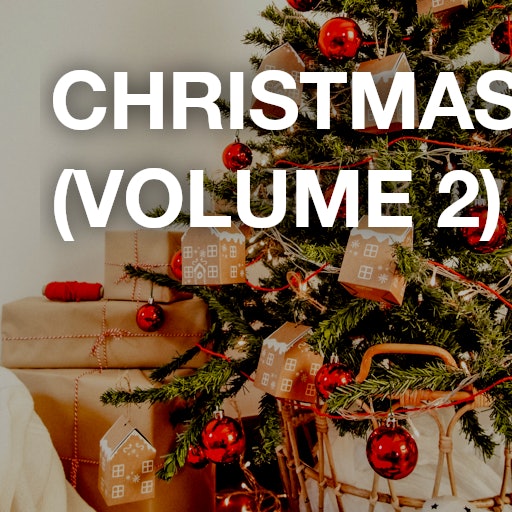
Christmas Mix (Volume 2)
Vintage Tunes (Volume 1)
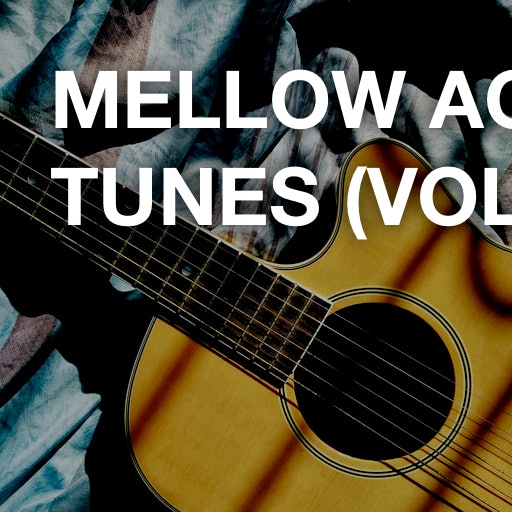
Mellow Acoustic Tunes (Volume 1)
Instore radio for even more choice
Then instore radio is usually the second, larger solution: for cafes with an ongoing curated music program, significantly more choice, and predictable monthly pricing.

- ongoing background music instead of a fixed one-time setup
- suitable for multiple locations or growing setups
- central control and regular music updates
Quick orientation before you choose
Here is a compact overview of when a music package is usually enough, when Instore radio is more suitable, and which factors determine setup and pricing.
When a package is usually enough
Usually for one location or a smaller setup with one final playlist. Pricing starts from EUR 129 net per location and includes ZIP download, invoice, and license documents.
When radio is often the better fit
Usually for multiple locations, ongoing updates, or central control. Smaller-area tariffs currently start from EUR 9.95 per month in the standard setup.
What determines setup and pricing
For packages, the main factors are largest floor area, rotation, and number of locations. For radio, floor area, tariff, and ongoing maintenance matter most.
When self-service often stops being enough
Larger multi-location rollouts, very large spaces, or continuously managed playback programs usually move beyond the simple package path and more toward radio or a custom offer.
Important questions before licensing
The most important questions about what is allowed, what is not, which documents you receive, and the typical pitfalls are clarified here first.
What is allowed and what is not?
The planned public playback in commercial spaces such as restaurants, cafes, bistros, lounges, waiting areas, or similar hospitality spaces is allowed. Separate video uses, podcasts, social posts, apps, products, or other media projects are not automatically included. If you want to use the music in those channels as well, that scope should be checked separately.
What is included after purchase?
After purchase you receive the booked files as a download, plus the invoice and the relevant license documents. For royalty-free solutions this usually includes a release document as well, so you can document the booked usage path if questions come up later.
Do I still need to pay collecting-society fees such as GEMA?
For the royalty-free solutions meant here, no additional GEMA fees apply for the planned use. It is still important that the music is licensed properly and that the booked usage scope matches your actual use case.
Why are Spotify, Apple Music, or private playlists not enough?
Standard streaming subscriptions and private playlists are usually not intended for public or commercial use. For business spaces and events you need a reliable usage record, a fitting license, and often documentation for accounting or follow-up questions from rights holders or collecting societies.
What happens if music is used publicly without the right permissions?
Depending on the case, this can lead to relicensing claims, warnings, blocks, damage claims, or follow-up questions from rights holders and collecting societies. The exact outcome depends on the case, but in commercial use a properly documented licensing path is usually worth it from the start.
Why music in a cafe is more than background
A cafe is shaped by many small signals: aroma, room sound, lighting, conversation, and overall pacing. Music should bring these elements together and support the relaxed atmosphere.
That is why the selection should feel warm and friendly without becoming dominant.
Why royalty-free music is often the simpler route for cafes
For many cafes, royalty-free music is the more practical route because the public playback is clearly documented and does not trigger additional PRO fees for the planned setup.
That creates clarity around costs, documentation, and everyday operations.
Which music usually fits cafes?
Cafes often work well with soft jazz, acoustic tracks, light lounge directions, and relaxed melodic music. These styles support an open and calm mood for both short visits and longer stays.
What matters most is that the music remains pleasant, warm, and low-friction over many hours.
How licensing usually works for a cafe
With an instore package, you make a one-time payment and can then use the licensed music selection on an ongoing basis at your booked location. That is especially useful for individual cafes or coffee houses with a clear musical direction.
The license applies to one location. If more branches are added later, the usage scope should be expanded accordingly.
Which documents do you receive?
Every order includes a playback license document and a royalty-free release certificate. This creates a clear record that the music is approved for the booked playback path.
These documents help with controls, accounting, and later rights verification.
When is a package enough and when does Instore Radio make more sense?
A music package is usually enough when you want one fixed, fitting selection for your cafe and do not want recurring monthly costs.
Instore Radio becomes more relevant when you:
- operate multiple locations
- want ongoing music refreshes
- want to control different dayparts or areas centrally
How curated music supports the cafe experience
Good cafe music should feel welcoming, charming, and relaxed. It accompanies a quick espresso just as well as longer conversations, laptop sessions, or quiet breaks at a table.
That is why a carefully curated selection usually works better than random playlists or privately intended streaming access.
Related use cases
These pages are closely related and cover adjacent search intents.


Other fitting areas
If your project does not fit this area perfectly, here are nearby entry points that are often relevant as well.