Rock Music: The Power of Rebellion and Passion
Rock music, a genre that has shaped the music world since the 1950s, stands for energy, rebellion, and passion. With its powerful guitar riffs, captivating beats, and expressive vocal performances, rock music has garnered a global following and captured the hearts of millions of people. In this article, we delve into the fascinating world of rock, its evolution, diversity, and cultural significance.
Read more about this genre
Rock music, a genre that has shaped the music world since the 1950s, stands for energy, rebellion, and passion. With its powerful guitar riffs, captivating beats, and expressive vocal performances, rock music has garnered a global following and captured the hearts of millions of people. In this article, we delve into the fascinating world of rock, its evolution, diversity, and cultural significance.




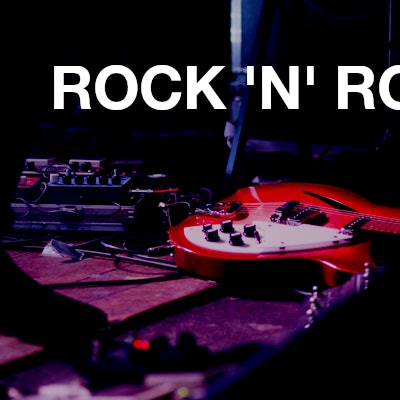



The Origins of Rock
The roots of rock trace back to the 1950s when it emerged from a fusion of different music styles such as rock 'n' roll, blues, and country. Artists like Elvis Presley, Chuck Berry, and Little Richard contributed to making rock popular and leading it into a musical revolution.
Over the decades, rock has evolved and given rise to various subgenres, including Classic Rock, Hard Rock, Punk Rock, Alternative Rock, and many more. Each subgenre brings its own distinctive characteristics and styles, appealing to a wide variety of listeners.
Characteristics of Rock
Rock music is characterized by its powerful instrumentation and high-energy vocal styles. The guitars are often distorted, producing iconic riffs that define the songs and have a strong emotional impact.
The rhythms in rock are often driving and captivating, causing the music to literally sweep the listener off their feet and inviting them to sway and sing along.
The lyrics in rock can address a wide range of themes, from personal experiences and emotions to social and political issues. Rock artists often use their music as a platform to express their thoughts and opinions and connect with their audience.
Cultural Significance of Rock
Rock music has gained immense cultural significance and become an important cultural movement. Rock stars and bands have a strong presence in pop culture and often serve as role models for their fans.
Moreover, rock music has played a significant role in social and political movements, serving as a voice for social justice, freedom, and rebellion.
Rock concerts and festivals are also an integral part of rock culture, attracting fans from all over the world who unite in the energy and unity of the music.
Conclusion
Rock music is a timeless and powerful genre that embodies the force of rebellion, passion, and expression. With its long history and diversity of subgenres, rock remains a crucial part of the music world and continues to inspire generations of people worldwide. Through its powerful energy and cultural significance, rock music will undoubtedly continue to shape the music scene and capture the hearts of people around the globe.
End-to-end music and audio solutions for companies
Different use cases require different paths, products, and licensing models. Here you can see the most important Audiocrowd areas at a glance.
Video, advertising & content
For image films, campaigns, social media, podcasts, and other content formats with the right licensing path.
Events
For corporate parties, trade fairs, conferences, and other live events with clear on-site licensing.
Courses & workshops
For yoga, courses, seminars, and other formats where music needs to be licensed cleanly for class usage.
Practice rooms
For waiting rooms, therapy rooms, treatment rooms, and calm reception areas with curated music packages.
Instore & business spaces
For shops, hospitality, wellness, reception areas, and other business spaces with ongoing background music.
Phone messages & voice
For professional phone messages, voicemail prompts, and other voice productions with voice talent and configurator.